Switzerland’s classics
Two nights at Baur au Lac, the Rhine Falls by boat, medieval Stein am Rhein, Lucerne’s Chapel Bridge and Lion Monument, and Mount Pilatus by the Golden Round Trip.
Europe’s largest waterfall, the world’s steepest cogwheel railway, Neuschwanstein and the Berlin Wall
See Pricing & Inclusions ↓OverviewA scenic rail journey through the heart of Europe — from the elegance of Zurich and the lakefront beauty of Lucerne to the royal heritage of Bavaria and the restless history of Berlin. Alpine landscape at one end, the twentieth century at the other, and a fairytale castle in between.
| Best For | Travellers who want Alps and cities together, connected entirely by train |
| Duration | 10 Days / 9 Nights |
| Route | Zurich → Lucerne → Munich → Neuschwanstein → Berlin |
| Group Size | Private or small group — guided throughout |
| Price From | $14,900 per person sharing |
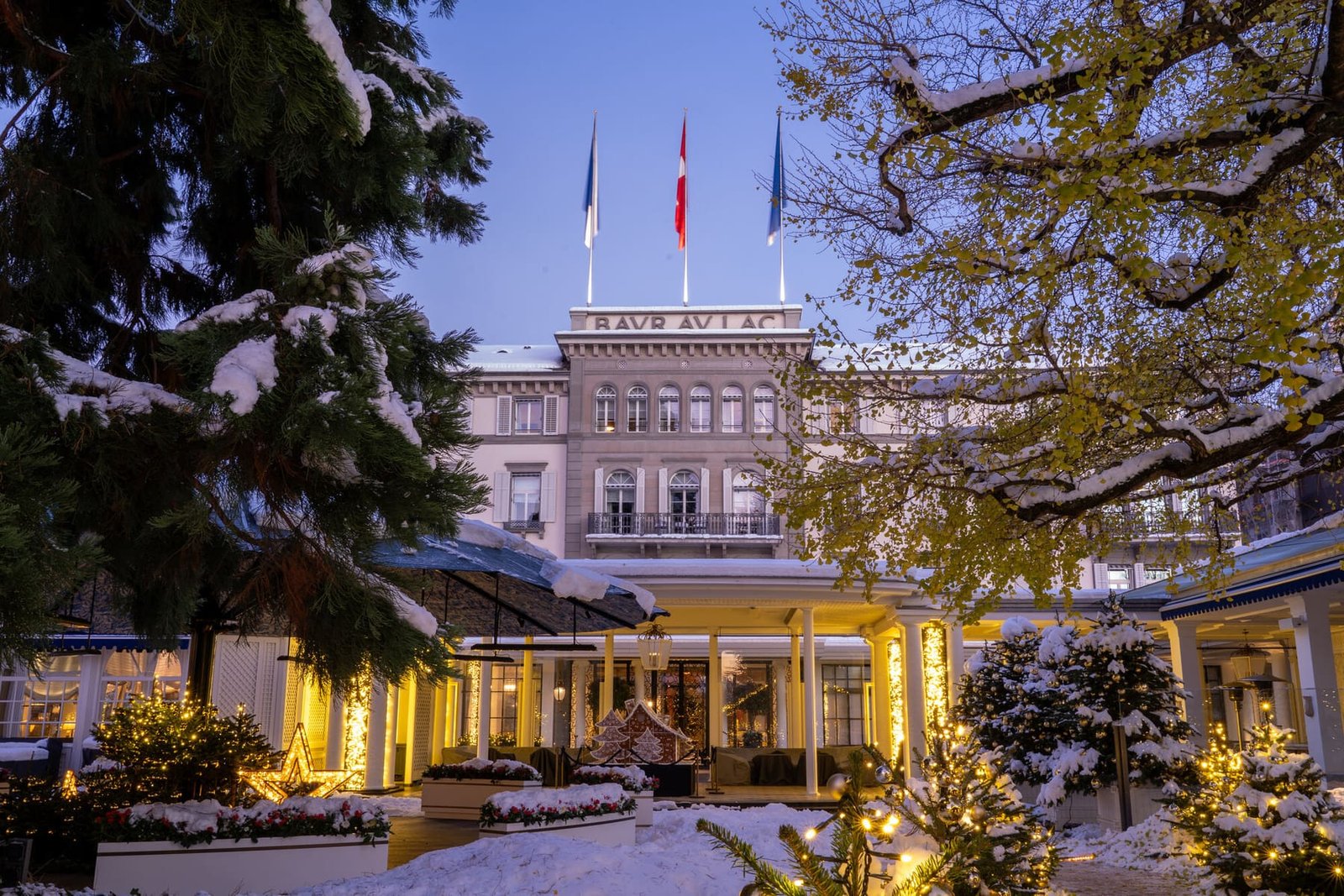
Two nights at Baur au Lac, in its own park on Lake Zurich since 1844
The Rhine Falls by boat, and medieval Stein am Rhein
Lucerne’s Chapel Bridge, Water Tower and Lion Monument
Mount Pilatus by the Golden Round Trip — boat, cogwheel railway and cable car
Three Michelin-starred restaurants under one roof at the Mandarin Oriental Palace
Marienplatz, the Glockenspiel, the Frauenkirche and the Viktualienmarkt
Neuschwanstein with skip-the-line entry, and the Marienbrücke view
Hohenschwangau and the Bavarian lakes
Berlin: the Brandenburg Gate, the Reichstag dome and Museum Island
The Berlin Wall Memorial, the East Side Gallery and Checkpoint Charlie
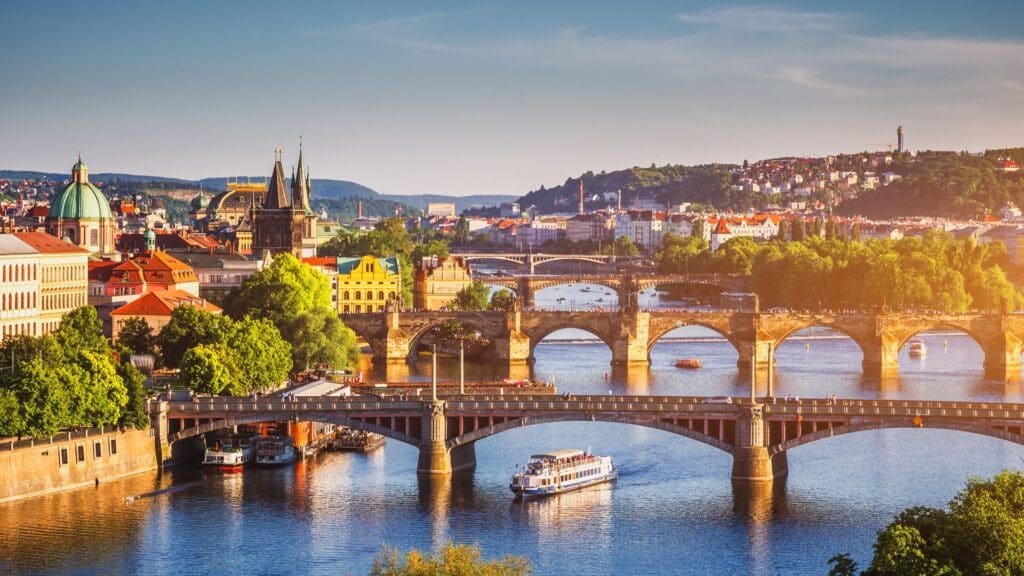
Zurich → Rhine Falls → Lucerne → Mount Pilatus → Munich → Neuschwanstein → Berlin. Day-by-day scrollspy markers to follow.
Land at Zurich and transfer to Baur au Lac, which has stood in its own private park on the shore of Lake Zurich since 1844 and has been run by the same family for seven generations.
The evening walks the city: Bahnhofstrasse, one of the most expensive shopping streets in the world, then down to the lake with the Alps beyond it.
Through the Altstadt to the Grossmünster, the twin-towered cathedral where the Swiss Reformation began, and across to the Fraumünster for Chagall’s stained glass, which is worth going out of your way for. Finish at Lindenhof above the river. Dinner is Swiss: rösti, Zürcher Geschnetzeltes, cheese and chocolate.
North to the Rheinfall, the largest waterfall in Europe — 150 metres wide, 23 metres high, and running up to 700,000 litres a second in summer. A boat takes you right into the spray beneath the falls, which is louder and wetter than any photograph suggests.
Then Stein am Rhein, a medieval town on the river whose half-timbered houses carry painted facades across their entire fronts. It is one of the most complete small towns in Switzerland.
Back to Zurich, with free time on Bahnhofstrasse.
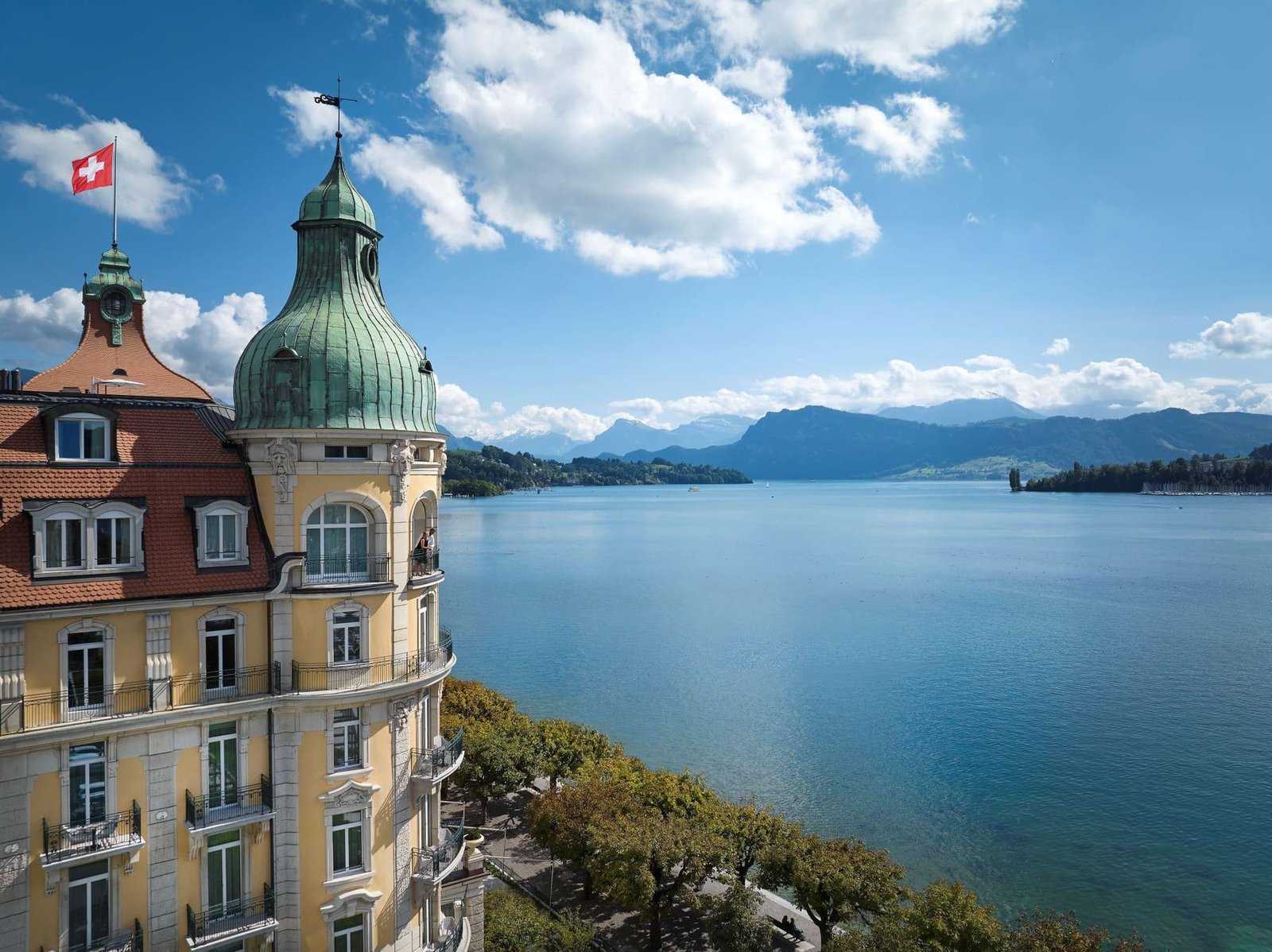
A forty-five minute train to Lucerne, and a transfer to the Mandarin Oriental Palace on the lakefront — a Belle Époque landmark of 1906, and the only international luxury hotel in the city.
The afternoon walks Lucerne: the Kapellbrücke, the oldest covered wooden bridge in Europe, with its 17th-century painted panels under the roof, and the octagonal Water Tower that has stood beside it for over seven hundred years.
Then the old town and its painted facades; the Lion Monument, carved into a sandstone cliff for the Swiss Guards who died in the French Revolution and described by Mark Twain as the saddest piece of stone in the world; the Jesuit Church, the first large baroque church in Switzerland; and the lake promenade. Dinner beside the water.
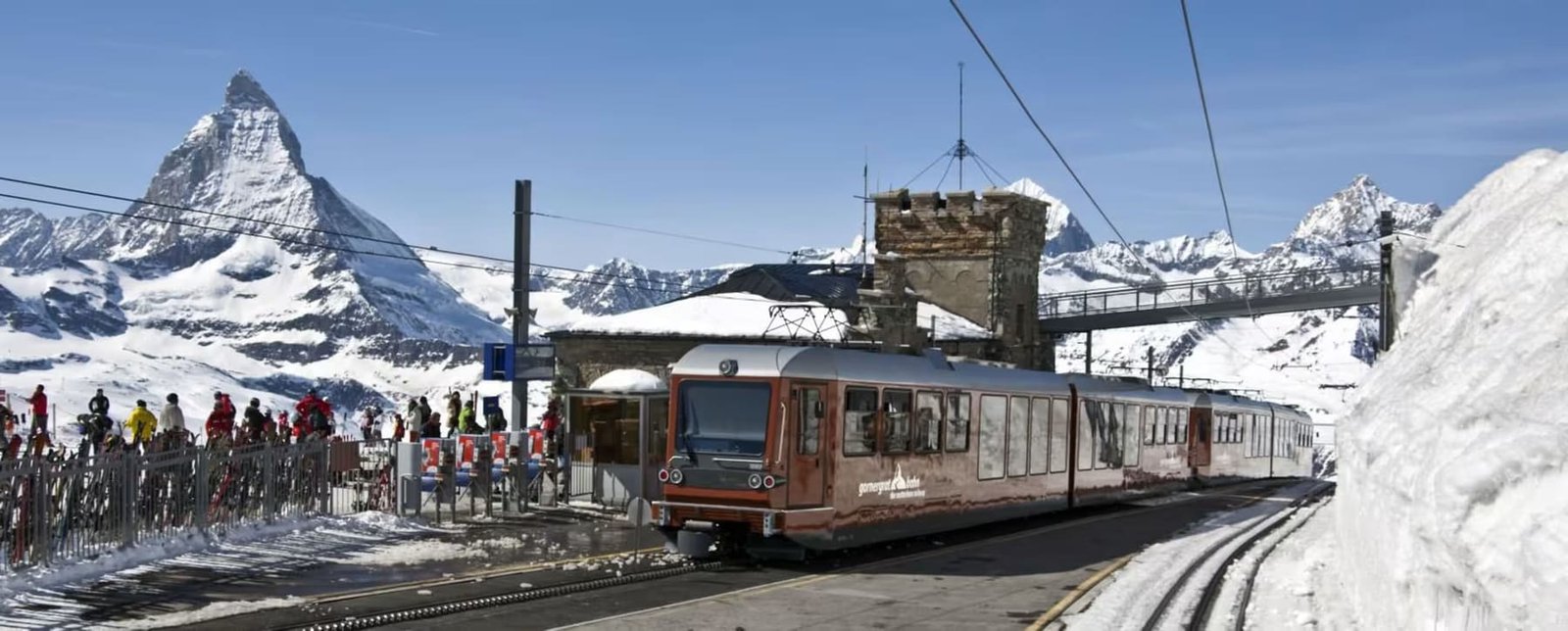
The Golden Round Trip, and it is the classic for good reason: an 80-minute boat across Lake Lucerne to Alpnachstad, then the ascent of Pilatus on the steepest cogwheel railway in the world — a gradient of 48 per cent, which has to be experienced to be believed.
From the 2,128-metre summit the view runs across 73 peaks, the Eiger, Mönch and Jungfrau among them. Walk the summit ridge, and take lunch at the mountain restaurant.
The descent is by cable car, followed by a cruise back across the lake with the Alps reflected in it.
A train from Lucerne into Bavaria, four to five hours through Swiss landscape and into the foothills of the Bavarian Alps.
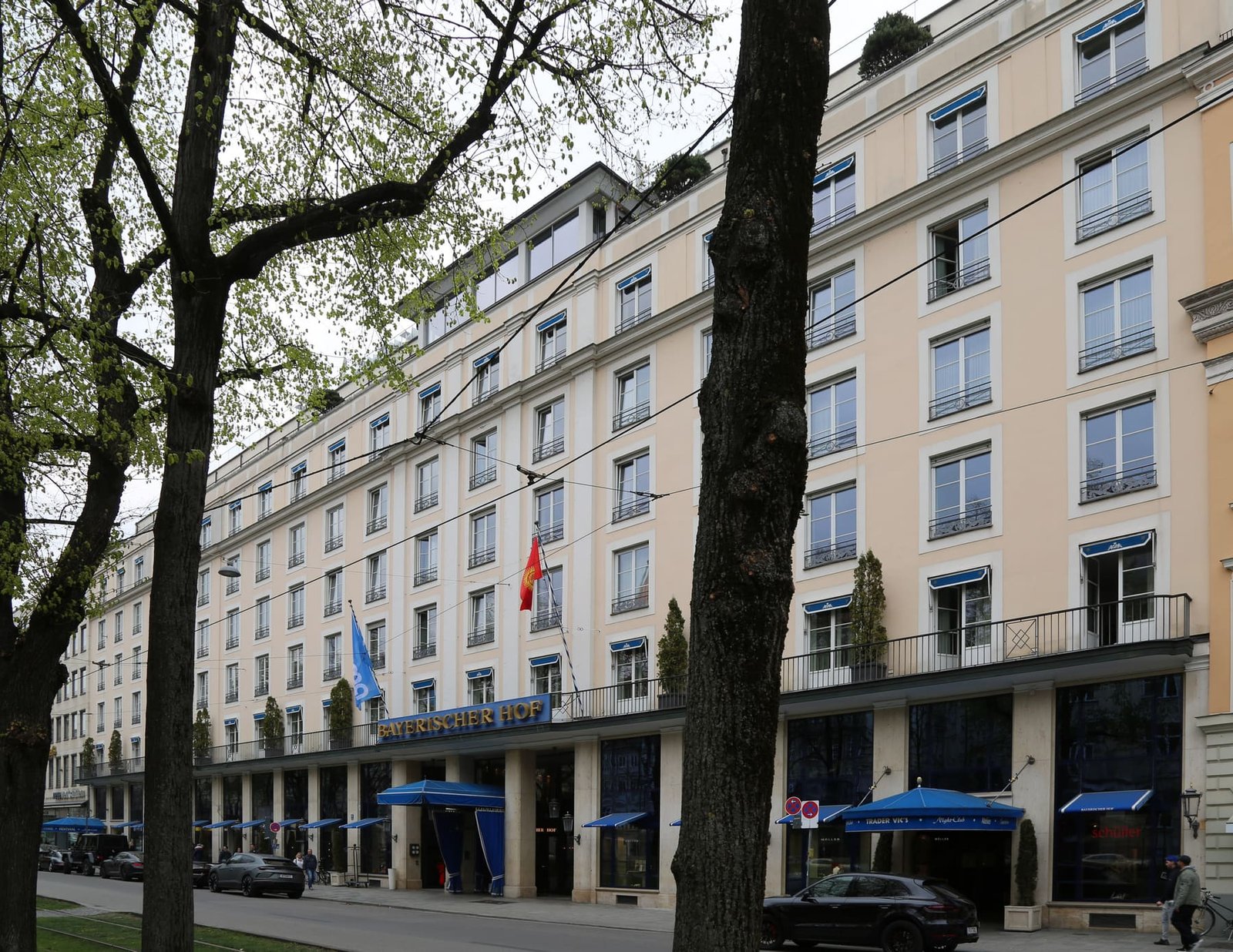
Check in at the Bayerischer Hof, a grand hotel that operates more like a small city — restaurants, bars, a private cinema and its own theatre — run by the same family for four generations since 1897.
The afternoon is Munich: Marienplatz and the Neues Rathaus with its Glockenspiel; the Frauenkirche, whose twin domes are the city’s symbol; and the Viktualienmarkt. Dinner is Bavarian — pretzels, weißwurst, schnitzel and Munich beer.
A private day into the Bavarian countryside to Neuschwanstein, Ludwig II’s romantic vision of medieval knighthood against the Alps — and the castle Disney borrowed.
Skip-the-line tickets include a guided tour of interiors considerably stranger and more theatrical than the exterior lets on. The walk up is about 1.5 kilometres and steep, and the Marienbrücke over the gorge gives the view everyone knows.
Then Hohenschwangau, where Ludwig grew up, and the Alpine villages and lakes around it. Back to Munich.
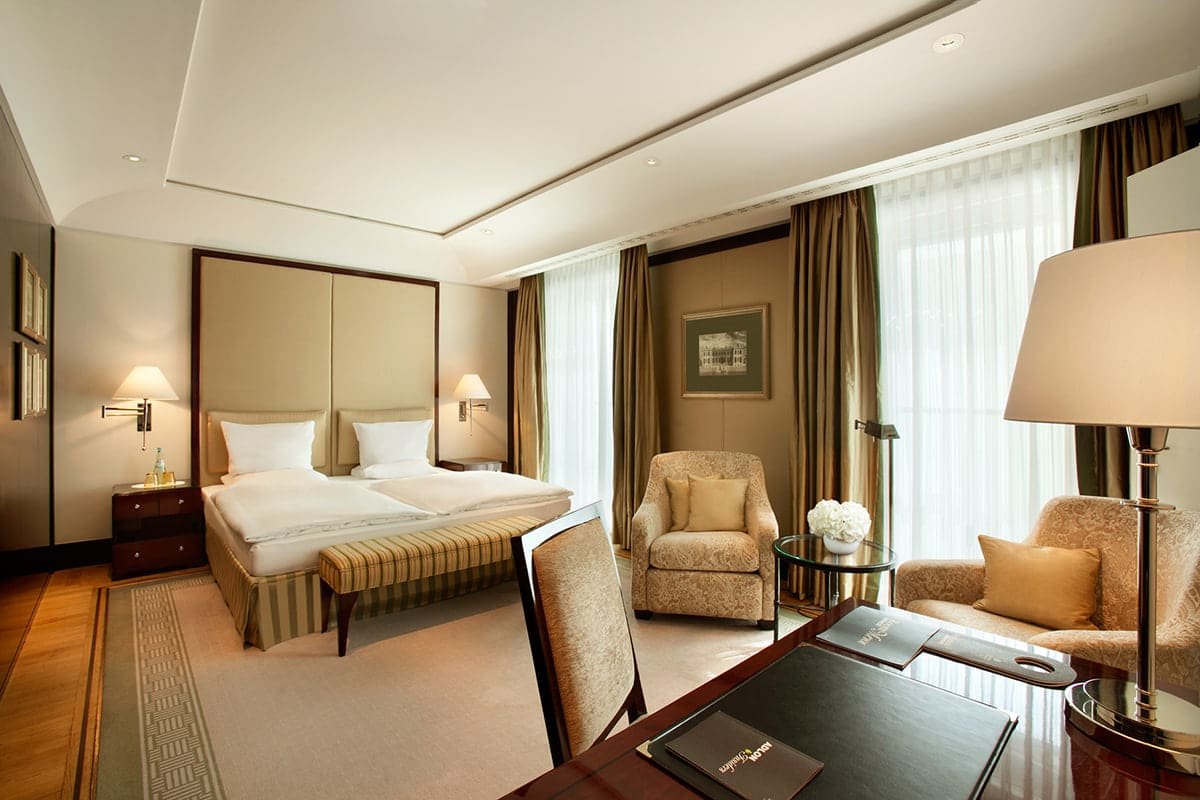
A high-speed ICE north, roughly four hours from Bavaria to the capital, and a transfer to the Adlon Kempinski on Unter den Linden beside the Brandenburg Gate.
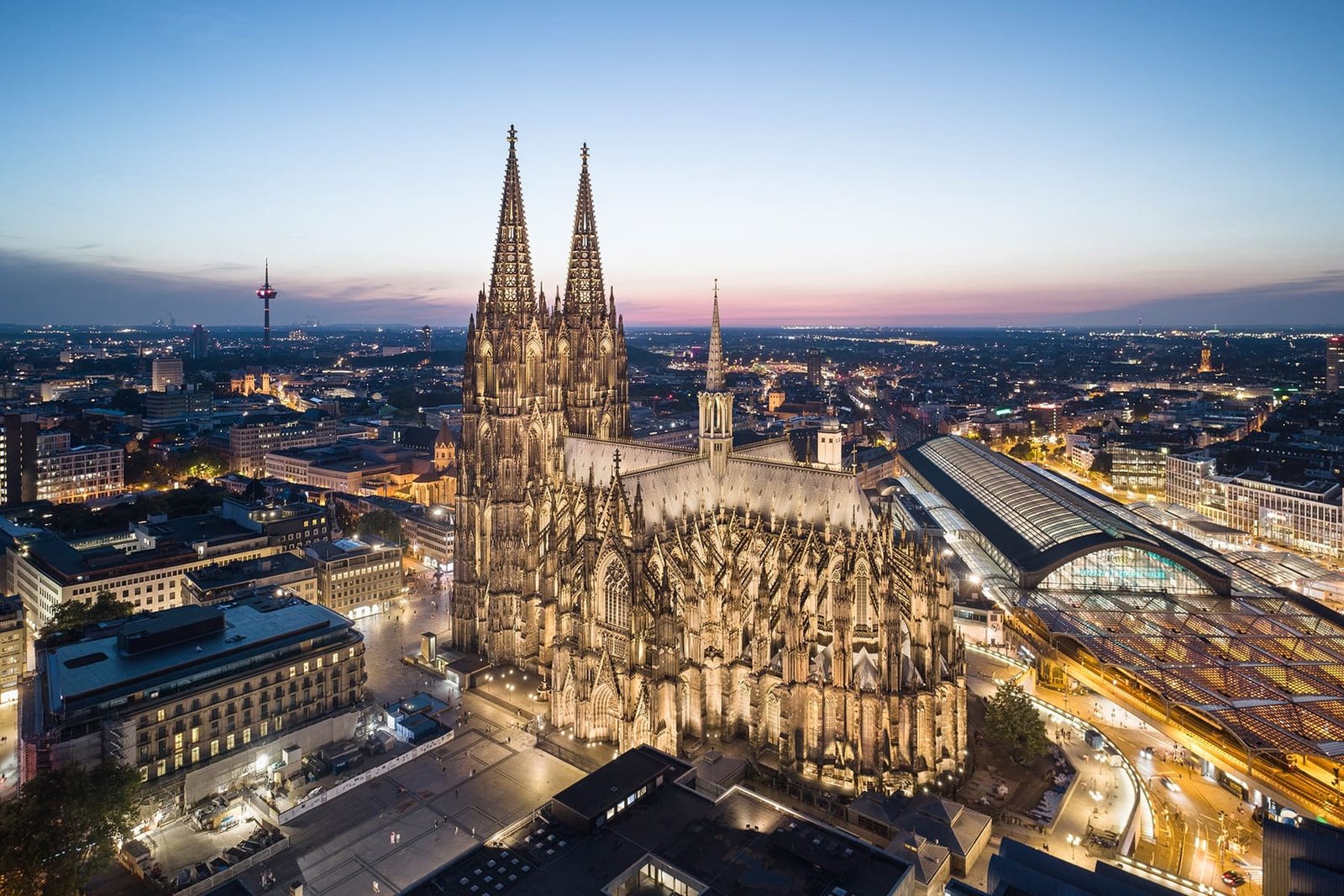
The afternoon covers the essentials: the Brandenburg Gate; the Reichstag with Norman Foster’s glass dome; Unter den Linden; Museum Island, a UNESCO site with five world-class museums; the Berlin Cathedral; and Alexanderplatz.
Dinner in a traditional Berlin restaurant.
A day given to the twentieth century. The Berlin Wall Memorial on Bernauer Strasse keeps a section of wall, the death strip and a memorial to those killed crossing it. The East Side Gallery is the longest surviving stretch, painted by artists from around the world.
The afternoon takes in Checkpoint Charlie; the Topography of Terror on the site of the Gestapo headquarters; and the Holocaust Memorial, whose 2,711 stelae only work when you walk into them. The DDR Museum is an optional addition for an interactive look at life in the East.
Dinner in a traditional Berlin restaurant.
The morning is Charlottenburg Palace, the largest in Berlin, built for the first Queen of Prussia; then Kurfürstendamm and the Kaiser Wilhelm Memorial Church, deliberately left broken.
The afternoon is a food walk: currywurst, döner, pretzels, schnitzel, German cakes and local beer.
A farewell dinner closes the journey.
Breakfast at the Adlon and, if the flight allows, a final walk to the Brandenburg Gate. Private transfer to Berlin Brandenburg Airport.
We are here for that. Every Finders & Keepers Safaris itinerary is a starting point, not a fixed departure — the pace, the lodges, the length, the dates and the party travelling can all be reshaped around you. Tell us what you would change and a specialist will rebuild the journey and price it honestly, before you commit to anything.
Tailor This Journey →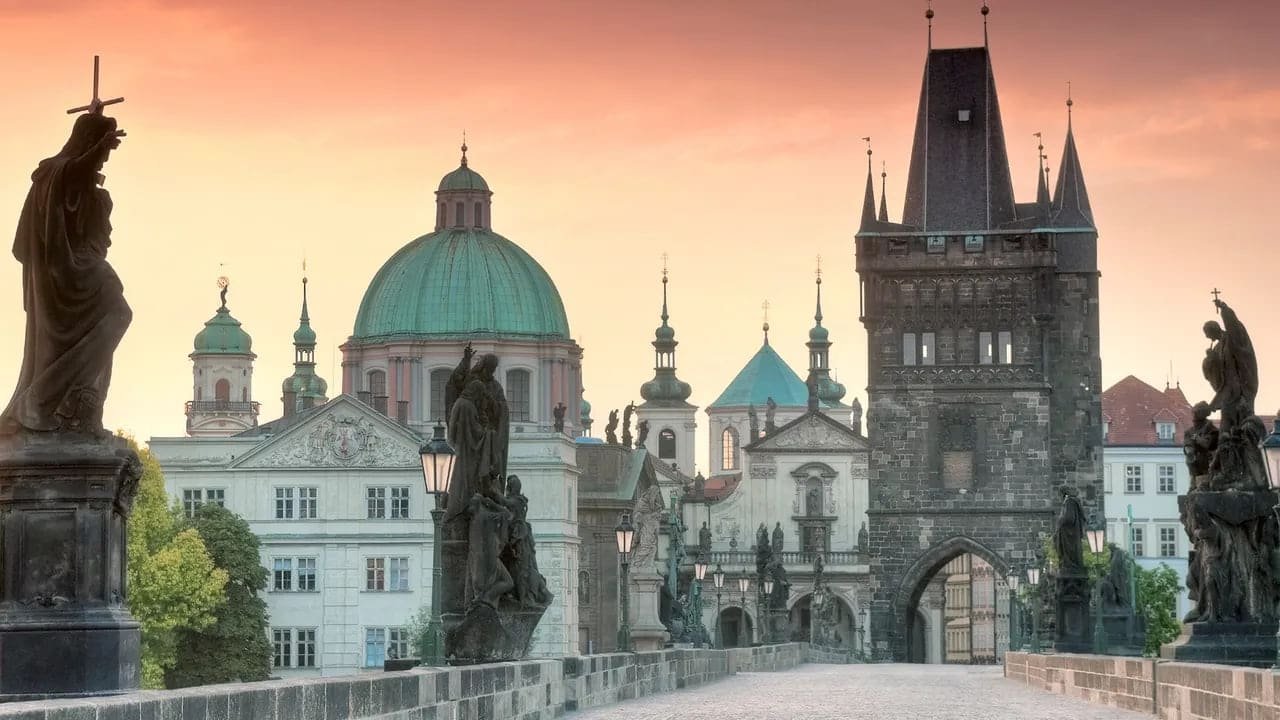
The Swiss Alps then Bavaria and Berlin: Mount Pilatus, Munich, Neuschwanstein and a Cold War day in Berlin.
Two nights at Baur au Lac, the Rhine Falls by boat, medieval Stein am Rhein, Lucerne’s Chapel Bridge and Lion Monument, and Mount Pilatus by the Golden Round Trip.
The Mandarin Oriental Palace puts three Michelin-starred restaurants under one roof.
Marienplatz, the Glockenspiel and the Viktualienmarkt, a day at Neuschwanstein, then Berlin’s history from the Hotel Adlon Kempinski.
Hold 2027 for half the usual deposit
Confirm any 2027 departure with a 15% deposit instead of the usual 30%, booked before 31 December 2026.
The same unforgettable journey, priced by season.
Reserve today with a low early deposit to lock in your 2027 dates and pricing.
Spread the rest across convenient instalments, at a pace that suits you.
Final balance due one month before departure — nothing more to pay once you fly.
Travel wallet, city guide and a good pair of walking shoes
Pilatus is seasonal and Neuschwanstein must be booked ahead
The Mount Pilatus Golden Round Trip runs daily from May to October and takes at least five hours; outside those months the cogwheel railway closes and we substitute a cable car ascent. Neuschwanstein tickets are booked in advance because it sells out, and the walk up from the ticket office is roughly 1.5 kilometres and steep — a shuttle or carriage can be arranged.
Schengen entry requirements apply
Private, tailor-made departures on your dates
A deposit of 30% is required to confirm your booking, with the balance due 60 days before departure. All itineraries can be tailored — extend a stay, add a destination, or adjust the pace to suit you. Comprehensive travel insurance covering trip cancellation, medical evacuation and personal effects is required for all guests. Your dedicated specialist remains on call throughout your journey for any changes or assistance you need.