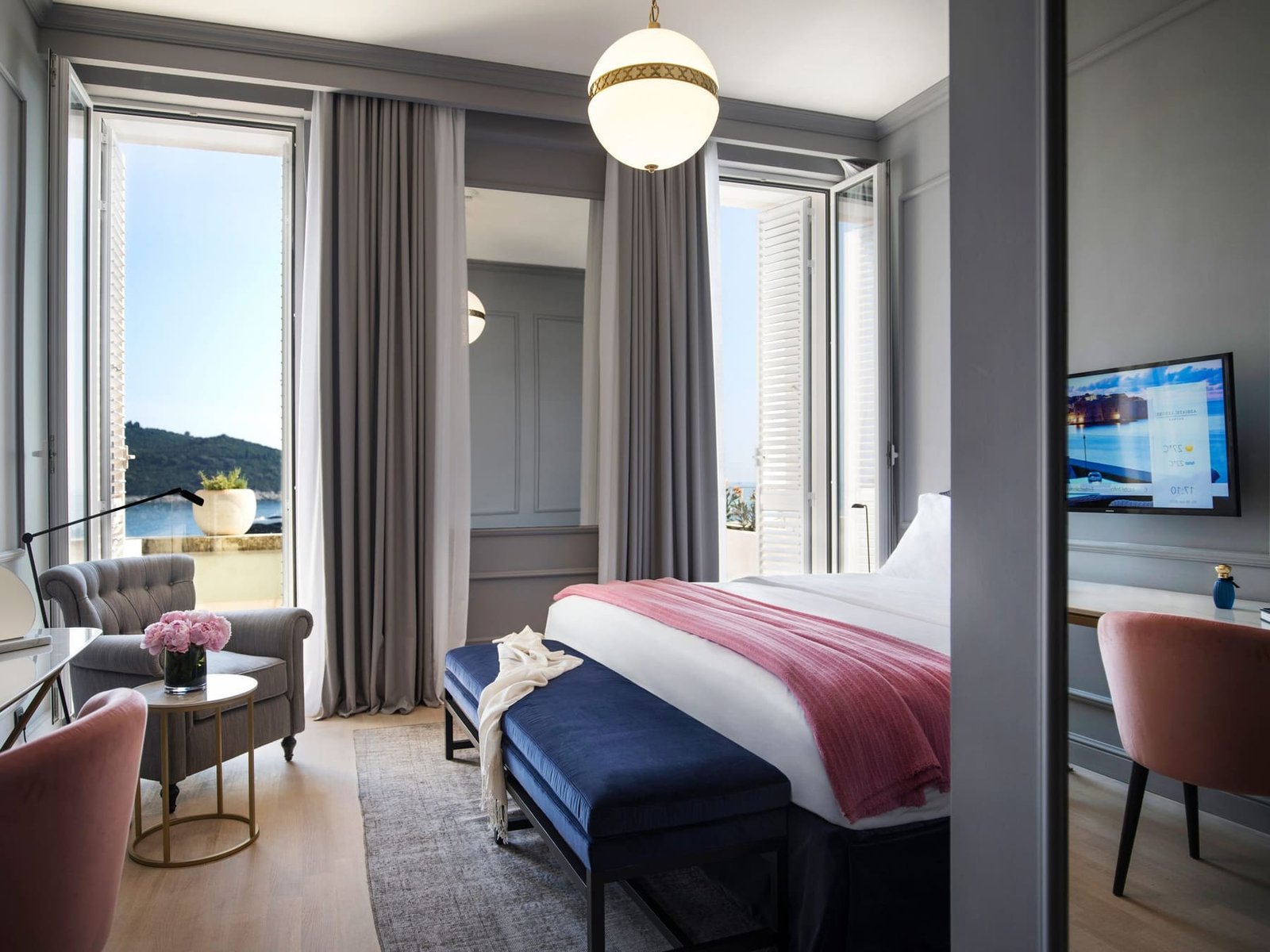
Waterfalls and an Orient Express hotel
A night at the Esplanade Zagreb, built in 1925 for Orient Express passengers, then Plitvice’s sixteen interconnected emerald lakes and Croatia’s tallest waterfall at 78 metres.
Sixteen emerald lakes, a Roman emperor’s palace, the Pakleni Islands and the walls of Dubrovnik
See Pricing & Inclusions ↓OverviewA journey down the Dalmatian coast — from the Art Deco elegance of Zagreb to the turquoise waterfalls of Plitvice, from Diocletian’s Roman palace at Split to the sun-bleached streets of Hvar, and finally to the Pearl of the Adriatic itself. Croatia’s natural wonders, UNESCO heritage and island life, in one unhurried line.
| Best For | Couples, luxury travellers and anyone who wants coast, islands and heritage together |
| Duration | 10 Days / 9 Nights |
| Route | Zagreb → Plitvice Lakes → Split → Hvar → Dubrovnik → Elaphiti Islands |
| Group Size | Private or small group — guided throughout |
| Price From | $10,400 per person sharing |
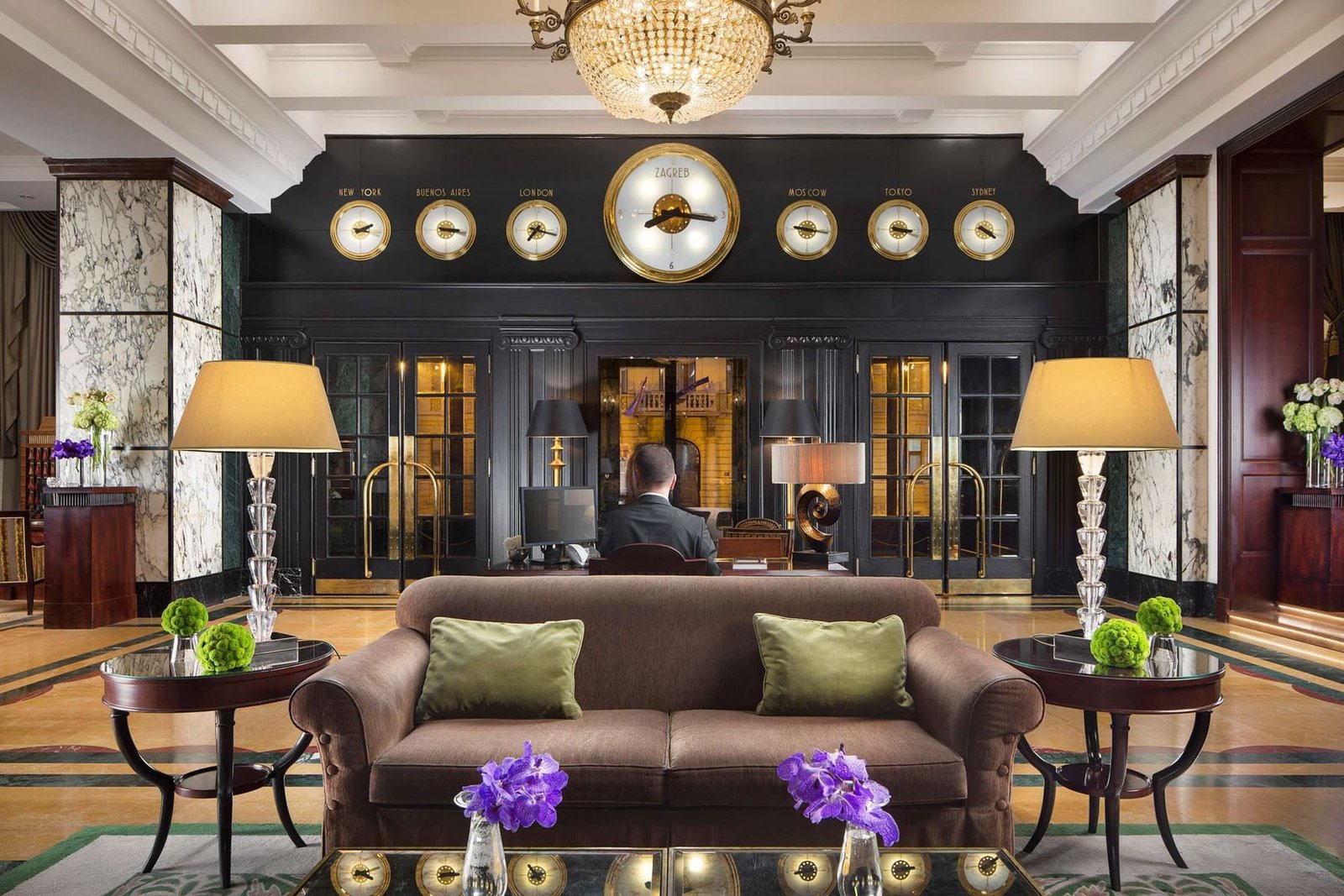
A night at the Esplanade Zagreb, built in 1925 for passengers of the Orient Express
Plitvice Lakes — sixteen interconnected emerald lakes, and Croatia’s tallest waterfall at 78 metres
Diocletian’s Palace — a 4th-century imperial retirement complex that is still a living town
The Cathedral of Saint Domnius, the oldest cathedral still in use in its original structure
A private boat day through the Pakleni Islands off Hvar
Sunset from the Fortica fortress above Hvar Town
The Dubrovnik City Walls — 1.94 km of the finest fortification system in Europe
The cable car to Mount Srđ for the view over the terracotta rooftops
A private boat to the Elaphiti Islands: Lopud, Šipan and Koločep
Koločep’s Blue Cave, and hidden coves reachable only from the water
Zagreb → Plitvice Lakes → Split → Hvar → Pakleni Islands → Dubrovnik → Elaphiti Islands. Day-by-day scrollspy markers to follow.
Land at Zagreb and transfer to the Esplanade, an Art Deco landmark opened in 1925 as a refuge for passengers stepping off the Orient Express. It has been putting up film stars, politicians and artists ever since, and the interiors have been kept impeccably.
The afternoon walks the capital: Ban Jelačić Square, the neo-Gothic cathedral, and the Dolac open-air market where the country’s produce arrives each morning.
Then Tkalčićeva Street for its cafés, through the Stone Gate — the only surviving medieval city gate — and up to St Mark’s Church, whose tiled roof carries the coats of arms of Croatia, Dalmatia and Slavonia. Dinner is Croatian, with local wine.
Two hours south through the Croatian countryside to Plitvice Lakes, a UNESCO World Heritage site and, in our view, non-negotiable on a first visit to Croatia.
Sixteen emerald lakes sit in a stepped chain, joined by waterfalls and threaded with wooden walkways that run directly over the water. You explore on foot, by the park’s electric boats across Kozjak — the largest lake — and by panoramic train.
The Lower Lakes hold the most dramatic cascade, and Veliki Slap, the Great Waterfall, drops 78 metres, the tallest in Croatia. Water, karst and moss have collaborated here to produce something that looks too deliberate to be natural.
Three hours south, descending through increasingly dramatic country to the Adriatic and Split, the largest city on the Dalmatian coast.
The old town is built inside Diocletian’s Palace — a fourth-century fortress complex built as a retirement home for the Roman emperor, and still, seventeen centuries later, a working town. More than 220 Roman-era buildings within the walls now hold homes, shops and bars.
You see the Peristyle and its colonnade, the Cathedral of Saint Domnius — originally Diocletian’s mausoleum, and the oldest cathedral in the world still in use in its original structure — the Temple of Jupiter, the Golden Gate, and the Riva waterfront. Dinner over the Adriatic.
A private guided morning going deeper into the palace: the underground cellars, once used for storage and waste, are now among the best-preserved Roman structures anywhere, precisely because they were sealed and forgotten for centuries.
The afternoon is yours to choose. Option A walks or drives up Marjan, the forested hill that has been Split’s retreat for centuries, for views over the city, the islands and the sea.
Option B takes a private boat along the coast for swimming and snorkelling in very clear water. The evening is free for Split’s restaurants.
A fast ferry or private boat across to Hvar, about an hour and twenty minutes, with the Dalmatian islands passing on either side.
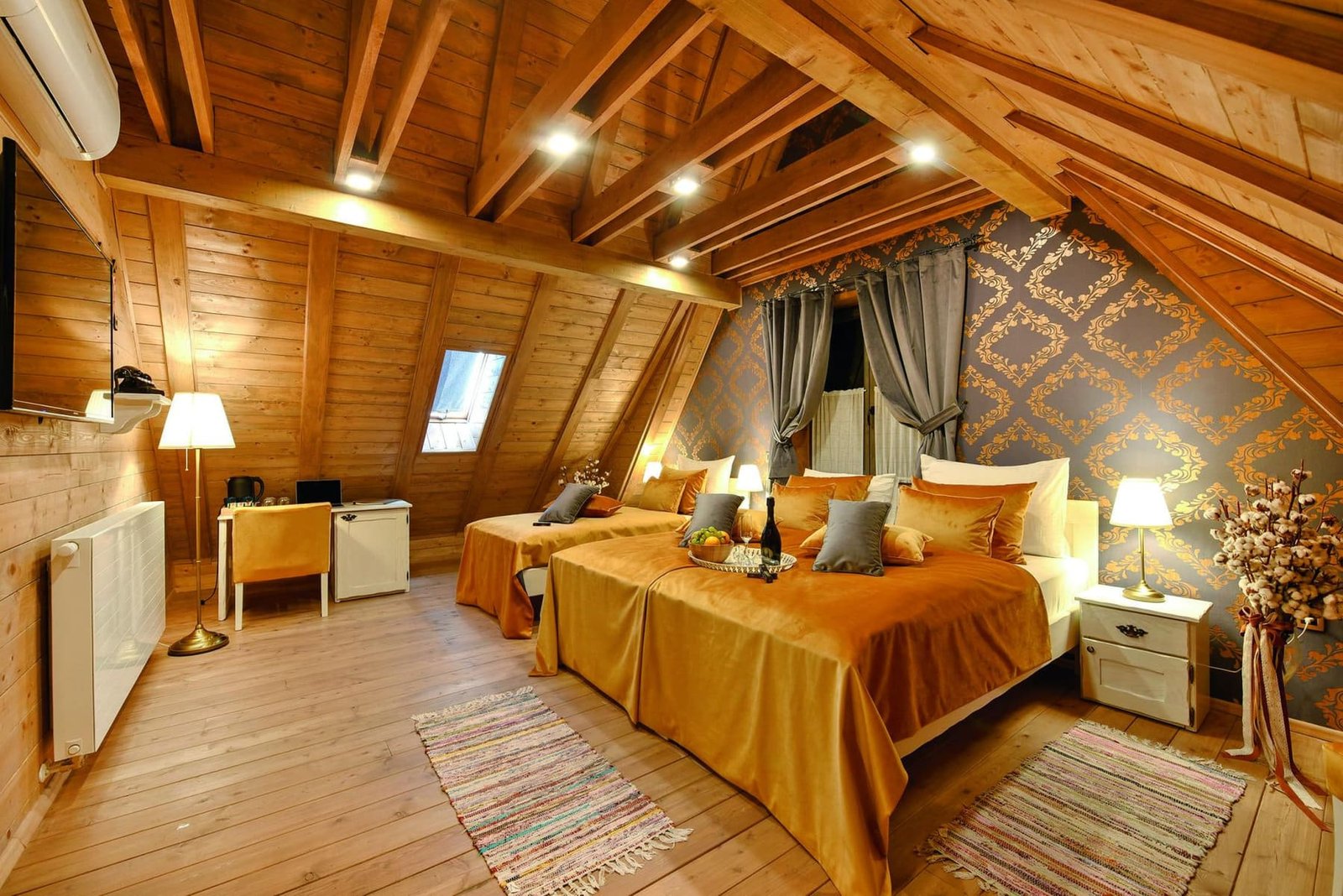
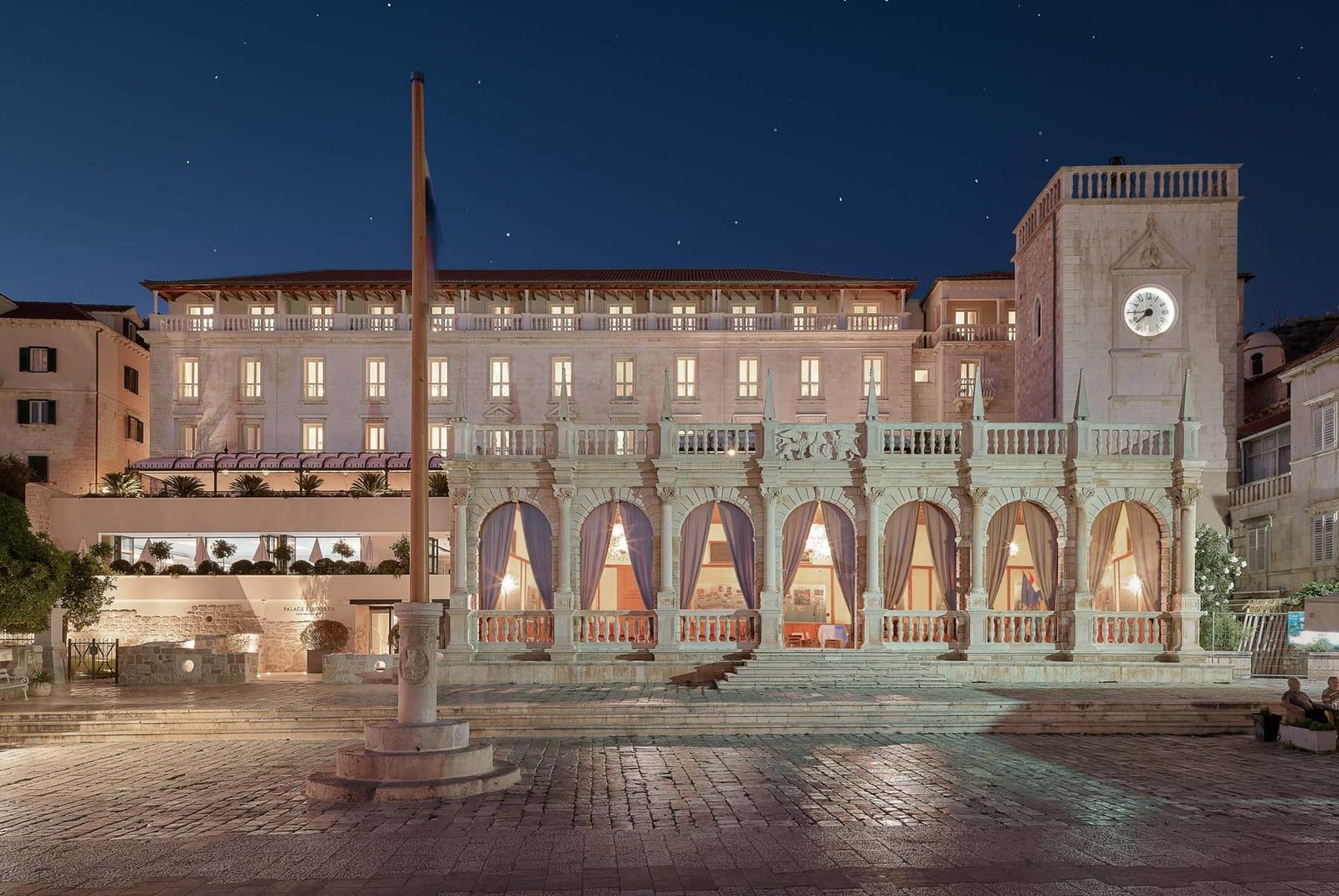
Check in at Palace Elisabeth in the heart of Hvar Town, a few steps from the main square and the waterfront. The afternoon explores the town: St Stephen’s Cathedral above one of the largest piazzas in Dalmatia, and the Venetian architecture that runs through the old centre.
At sunset you walk up to the Fortica, the Spanish Fortress above the town, for the view across Hvar and the Pakleni Islands as the light goes. It is one of the defining images of the Dalmatian coast.
A full private boat day through the Pakleni Islands, the archipelago that sits just off Hvar Town — Jerolim, Stipanska and Marinkovac, and the hidden coves between them.
Swimming and snorkelling in water that is genuinely as clear as the photographs suggest, and lunch at a secluded beachside restaurant reachable only from the water. For anyone who wants it, the whole day upgrades to a private yacht with captain and onboard lunch.
Back to Hvar in the afternoon, and a sunset dinner over the harbour.
South to Dubrovnik — by fast catamaran in season, roughly three hours, or by a private boat and road combination outside it.
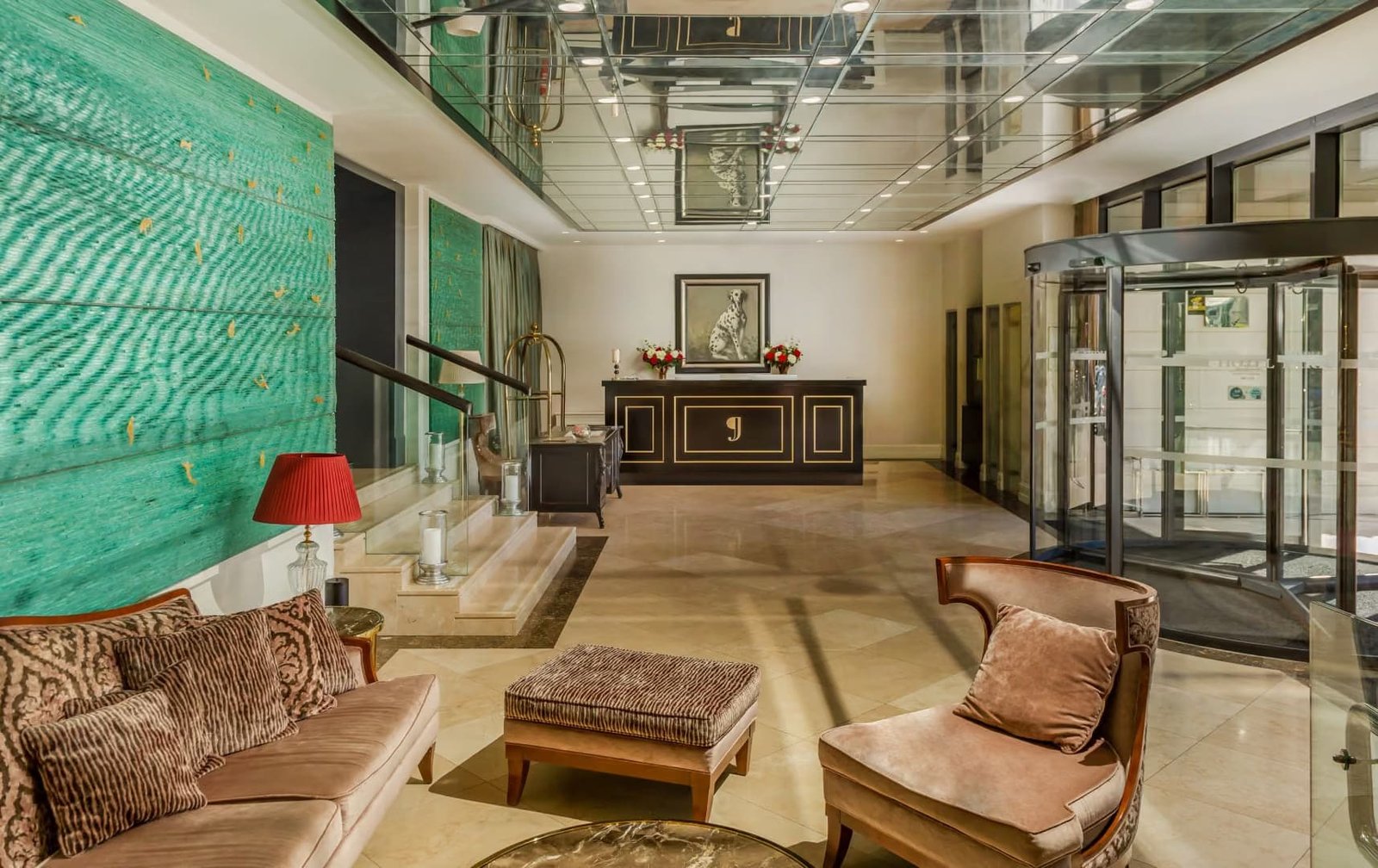
Check in at the Excelsior, on the water just beyond the old town walls, then begin on the Pearl of the Adriatic itself. Through the Pile Gate onto the Stradun, the marble-paved main street that is simultaneously the city’s square and its spine.
Onofrio’s 15th-century fountain still supplies water. The Rector’s Palace was the seat of the Republic of Ragusa, which once rivalled Venice at sea. Then the cathedral, its treasury, and the old harbour. Dinner over the Adriatic.
A private guided walk through the old town and the history of the Ragusan Republic, then the thing everyone comes for: the City Walls. They run 1.94 kilometres around the entire old town, reach 25 metres in places, and are considered the finest fortification system in Europe.
Minčeta Fortress is the highest point and the best view; Lovrijenac, across the water, is the fortress most visitors recognise as King’s Landing. Walk it early — there is no shade and it fills up.
The afternoon takes the cable car to the summit of Mount Srđ, for the old town from above, the Adriatic to the horizon and the Dalmatian islands strung out along the coast. Dinner in the old town.
A private boat northwest to the Elaphiti Islands. Lopud is car-free and holds the crescent of Šunj Beach. Šipan is the largest and greenest, with olive groves, vineyards and the summer residences of Dubrovnik’s nobility along the main village of Šipanska Luka.
Koločep — Kalamota — has the Blue Cave, where you can swim and snorkel, and quiet coves at Donje Čelo and Gornje Čelo for anyone who would rather not.
Swimming, snorkelling, pine forest and turquoise water, with a traditional Dalmatian lunch somewhere along the way. Back to Dubrovnik for a farewell dinner over the Adriatic.
Breakfast at the hotel and, if your flight allows, a final coffee on the Stradun before the private transfer to Dubrovnik Airport.
We are here for that. Every Finders & Keepers Safaris itinerary is a starting point, not a fixed departure — the pace, the lodges, the length, the dates and the party travelling can all be reshaped around you. Tell us what you would change and a specialist will rebuild the journey and price it honestly, before you commit to anything.
Tailor This Journey →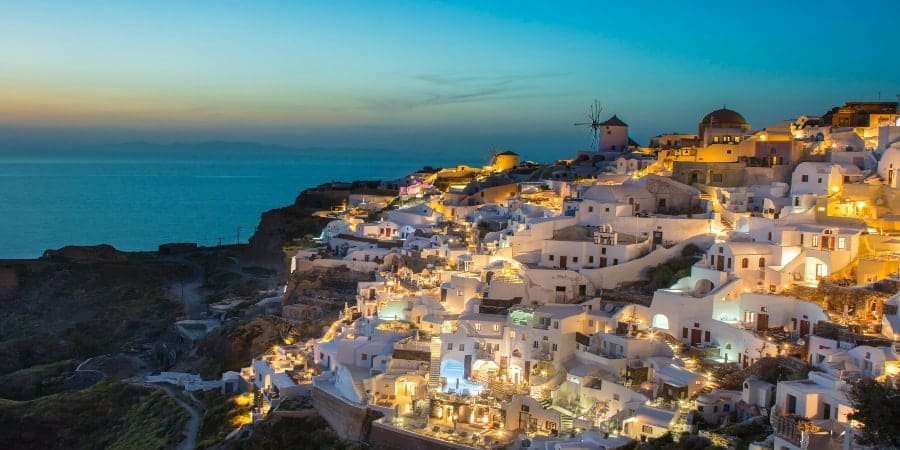
Croatia from the capital to the coast: Plitvice’s waterfalls, Diocletian’s Palace and a private boat through the Pakleni Islands, finishing in Dubrovnik.
A night at the Esplanade Zagreb, built in 1925 for Orient Express passengers, then Plitvice’s sixteen interconnected emerald lakes and Croatia’s tallest waterfall at 78 metres.
Diocletian’s Palace in Split, a 4th-century imperial retirement complex that is still a living town, and the Cathedral of Saint Domnius, the oldest in use in its original structure.
A private boat day through the Pakleni Islands off Hvar, sunset from the Fortica fortress, then Dubrovnik’s Old City, its walls and the Elaphiti Islands.
Hold 2027 for half the usual deposit
Confirm any 2027 departure with a 15% deposit instead of the usual 30%, booked before 31 December 2026.
The same unforgettable journey, priced by season.
Reserve today with a low early deposit to lock in your 2027 dates and pricing.
Spread the rest across convenient instalments, at a pace that suits you.
Final balance due one month before departure — nothing more to pay once you fly.
Travel wallet, city guide and a good pair of walking shoes
Island ferries are seasonal and weather-dependent
The Hvar to Dubrovnik catamaran runs seasonally; outside those months we route by private boat and road instead, which we confirm before you travel. Plitvice is best walked early — the wooden walkways over the water become genuinely congested by late morning — and the Dubrovnik walls are the same. Both are built into the itinerary at the right hour rather than the convenient one.
Schengen entry requirements apply
Private, tailor-made departures on your dates
A deposit of 30% is required to confirm your booking, with the balance due 60 days before departure. All itineraries can be tailored — extend a stay, add a destination, or adjust the pace to suit you. Comprehensive travel insurance covering trip cancellation, medical evacuation and personal effects is required for all guests. Your dedicated specialist remains on call throughout your journey for any changes or assistance you need.