Paris, privately guided
The Louvre with its Mona Lisa, Venus de Milo and Winged Victory, Notre-Dame and the Île de la Cité, a Seine dinner cruise and a private food walk, from three nights at the Plaza Athénée.
The Louvre, the Hall of Mirrors, Chambord’s double-helix staircase, Lyon’s tables and the Côte d’Azur
See Pricing & Inclusions ↓OverviewA grand tour of the country — the romance of Paris, the absolute monarchy of Versailles, the fairy-tale châteaux of the Loire, the gastronomic capital at Lyon, and finally the glamour of the French Riviera. This is France’s art, history, cooking and Mediterranean lifestyle in a single line, moving south the whole way.
| Best For | Travellers who want France properly — not just Paris |
| Duration | 10 Days / 9 Nights |
| Route | Paris → Versailles → Loire Valley → Lyon → Nice → the Côte d’Azur |
| Group Size | Private or small group — guided throughout |
| Price From | $14,200 per person sharing |
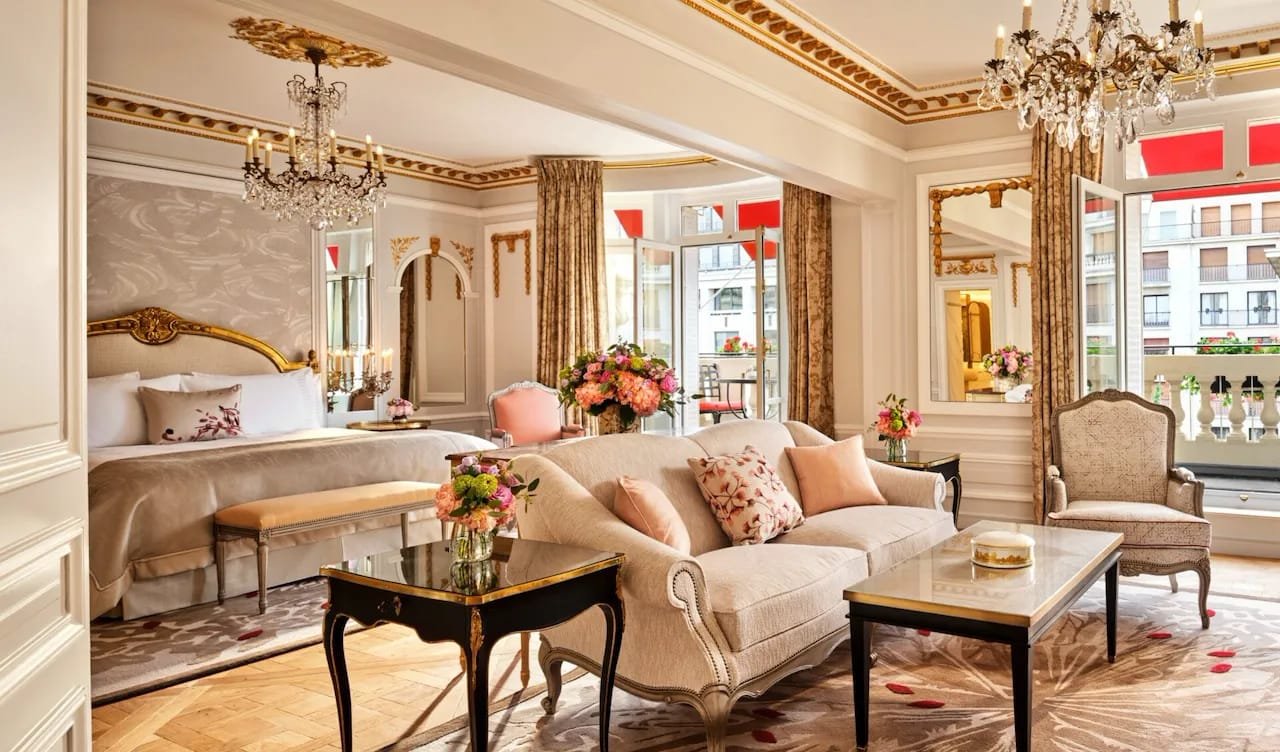
Three nights at the Hôtel Plaza Athénée on Avenue Montaigne
The Louvre privately guided — the Mona Lisa, the Venus de Milo, the Winged Victory
Notre-Dame, the Île de la Cité and a private Seine dinner cruise
Montmartre, Sacré-Cœur and the Place du Tertre
A private Paris food walk: croissants, baguette, Camembert and Comté, crêpes, macarons
Versailles — the Hall of Mirrors, the King’s Grand Apartments and Le Nôtre’s gardens
Chambord, Chenonceau and Cheverny in the Loire Valley
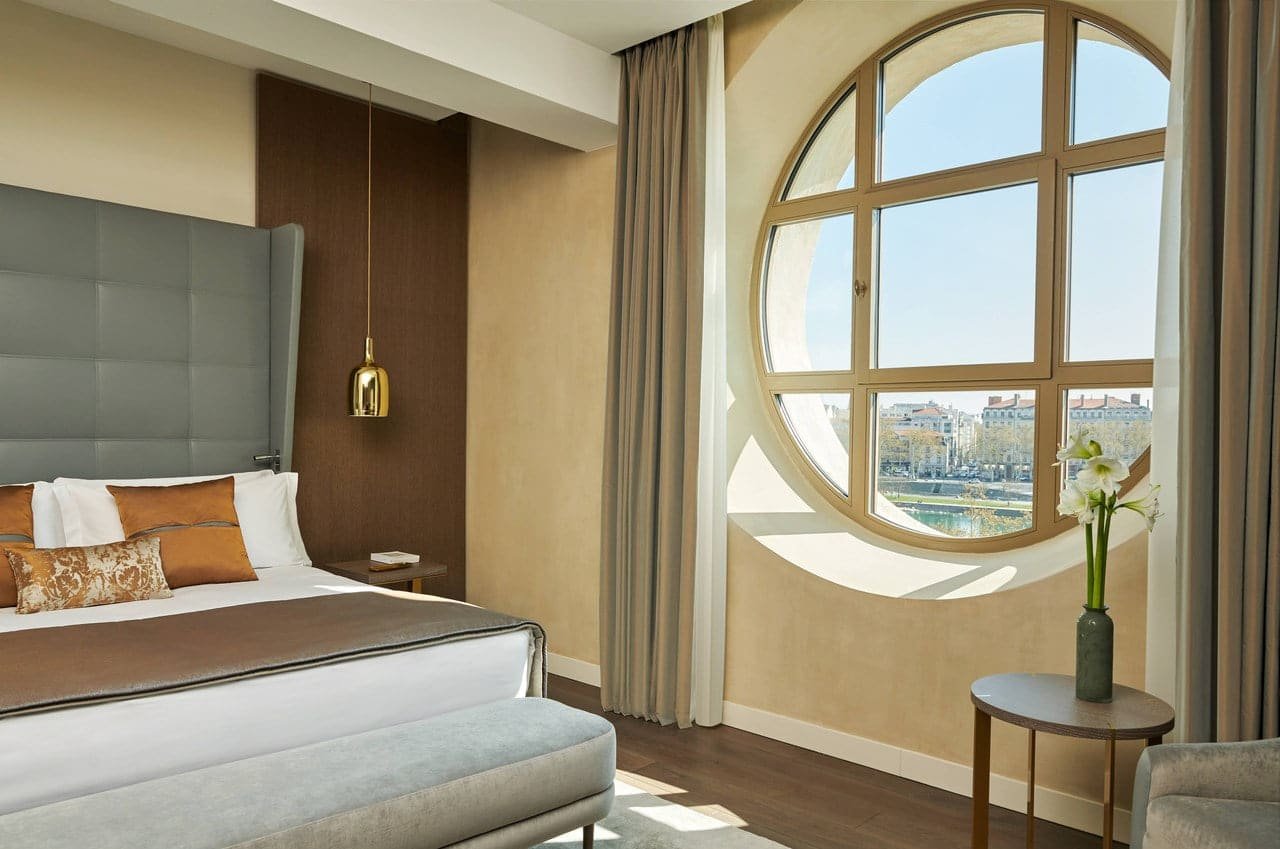
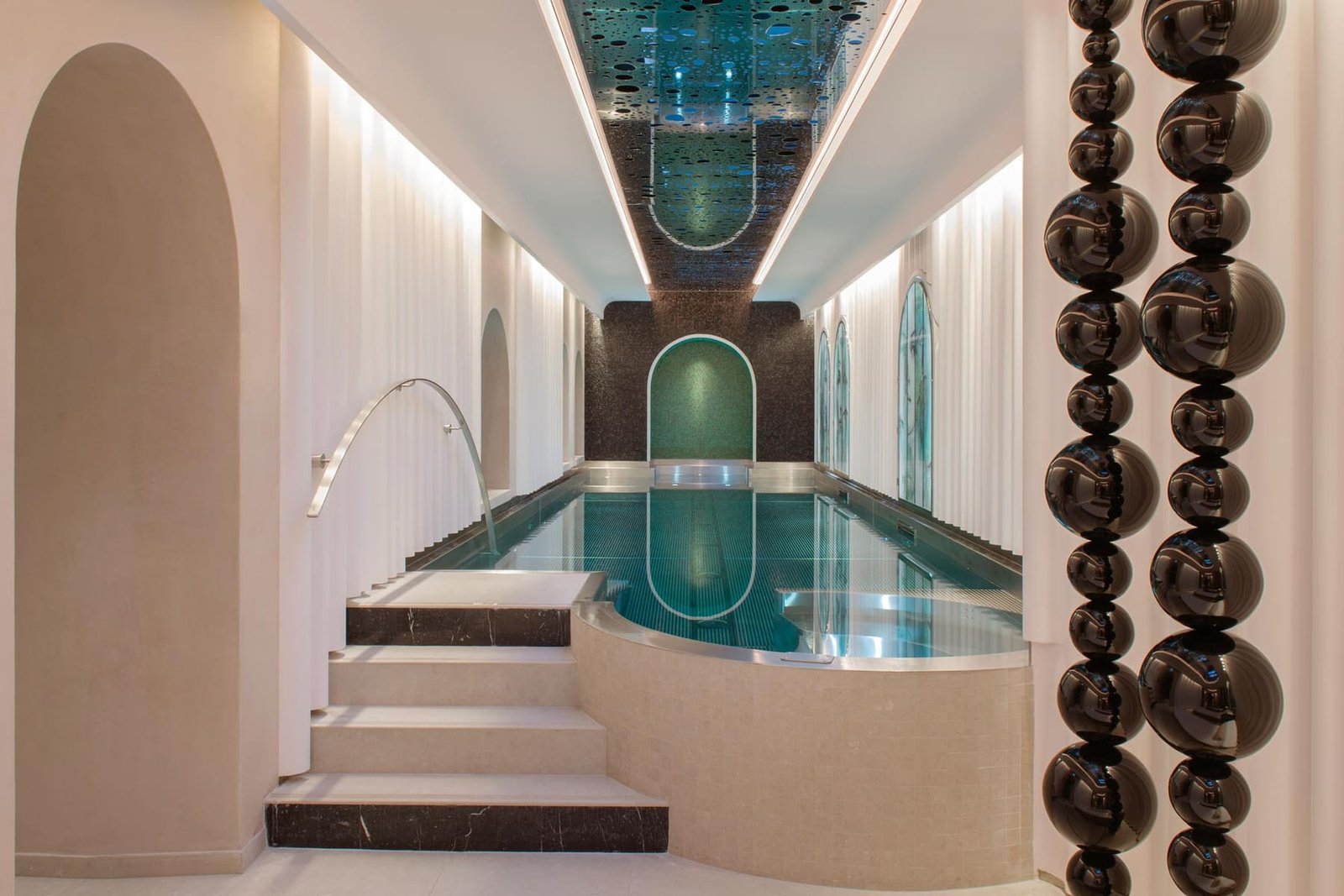
A night in the Soufflot Dome at the InterContinental Lyon, on a site with 800 years of history
Monaco, Monte Carlo and the hilltop village of Èze
Saint-Paul-de-Vence, the Maeght Foundation and lunch at La Colombe d’Or
Paris → Versailles → Loire Valley → Lyon → Nice → Monaco → Cannes → Saint-Paul-de-Vence. Day-by-day scrollspy markers to follow.
Land at Charles de Gaulle and transfer to the Hôtel Plaza Athénée on Avenue Montaigne — a palace hotel in the most exclusive few hundred metres in Paris, with the Eiffel Tower over the rooftops.
The evening walks the grand boulevards: the Champs-Élysées down from the Arc de Triomphe, then the Place de la Concorde — the largest square in the city, with its Egyptian obelisk and the tower framed beyond it.
Through the Tuileries, the formal garden that runs from the Concorde to the Louvre and where Parisians actually sit. Dinner is a classic brasserie: escargots, steak frites, or coq au vin.
The Eiffel Tower first — ascended, or seen from the Trocadéro esplanade, which gives the photograph everyone actually wants.
Then the Louvre with a private guide: the Mona Lisa, the Venus de Milo, the Winged Victory of Samothrace, and the building itself, which was a royal palace long before it was a museum. I.M. Pei’s glass pyramid has become as much an icon as anything inside.
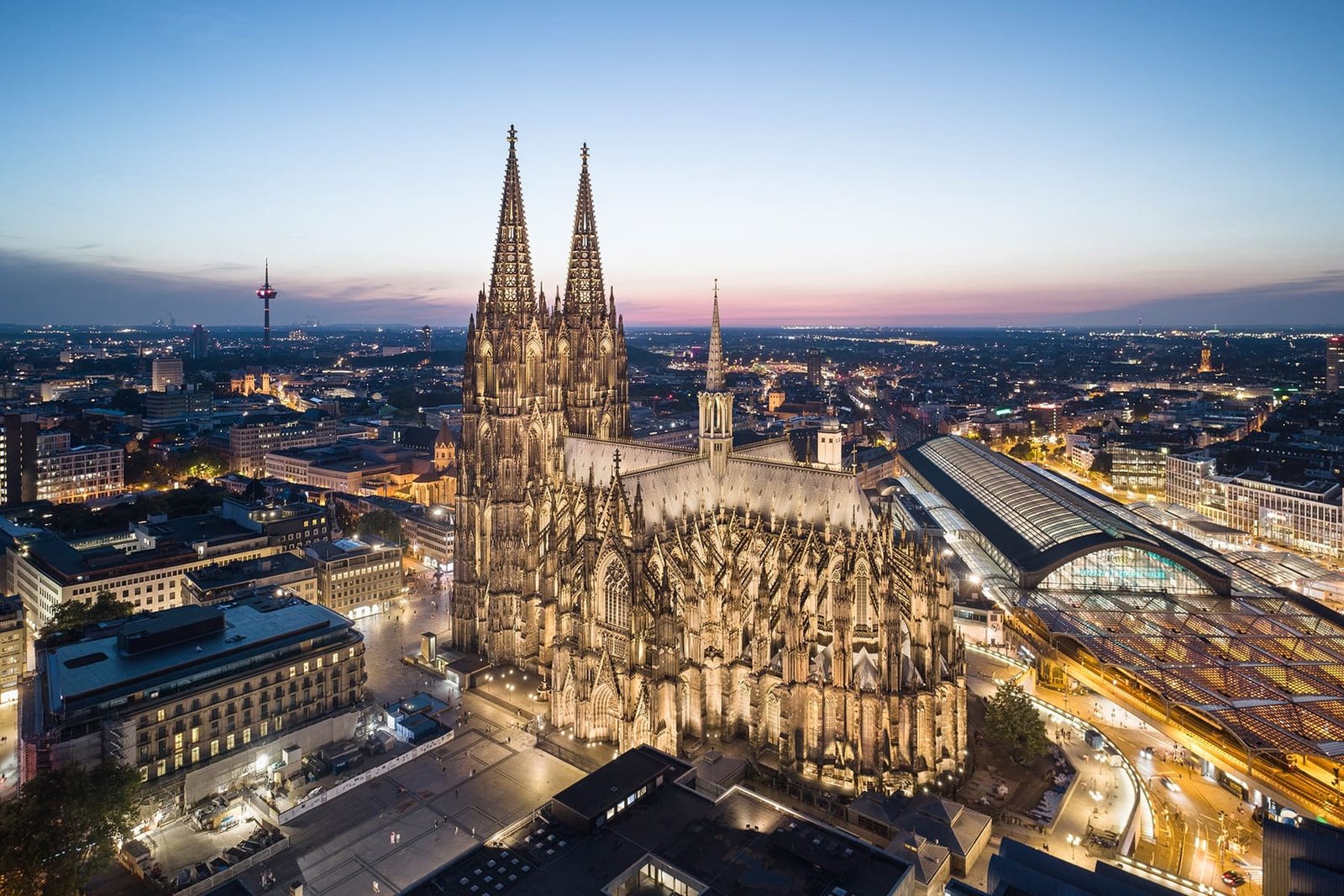
The afternoon takes in the Palais Royal, once Richelieu’s residence, then the Île de la Cité where Paris was founded, and Notre-Dame — flying buttresses, rose windows and 850 years of the city’s history in one building. The evening is a private dinner cruise on the Seine, past the Louvre, the tower and Notre-Dame with everything lit and doubled in the water.
The morning is Montmartre, the hill that has been the centre of Parisian artistic life for over a century. Sacré-Cœur first, and the view from its steps across the entire city; then the cobbled streets past studios and cafés where Picasso, Modigliani and Van Gogh worked, the Place du Tertre with its portrait painters, and the Moulin Rouge down in Pigalle.
The afternoon is a private culinary walk through traditional neighbourhoods — French gastronomy is on UNESCO’s intangible heritage list, and this is the day that explains why. Croissants and baguette; Camembert through to aged Comté; regional wines; crêpes savoury and sweet; artisan chocolate; éclairs, mille-feuilles and macarons.
The evening is free for the Champs-Élysées or the Rue Saint-Honoré.
Out to Versailles, the most visited historical monument in France and the clearest surviving statement of what absolute monarchy looked like.
The Hall of Mirrors is the room: 357 mirrors facing seventeen windows, built to stun a court and still managing it. Then the King’s Grand Apartments, Marie Antoinette’s quarters, the Royal Chapel, Le Nôtre’s gardens with their fountains and impossible geometry, and the Grand Trianon, the smaller palace the king escaped to.
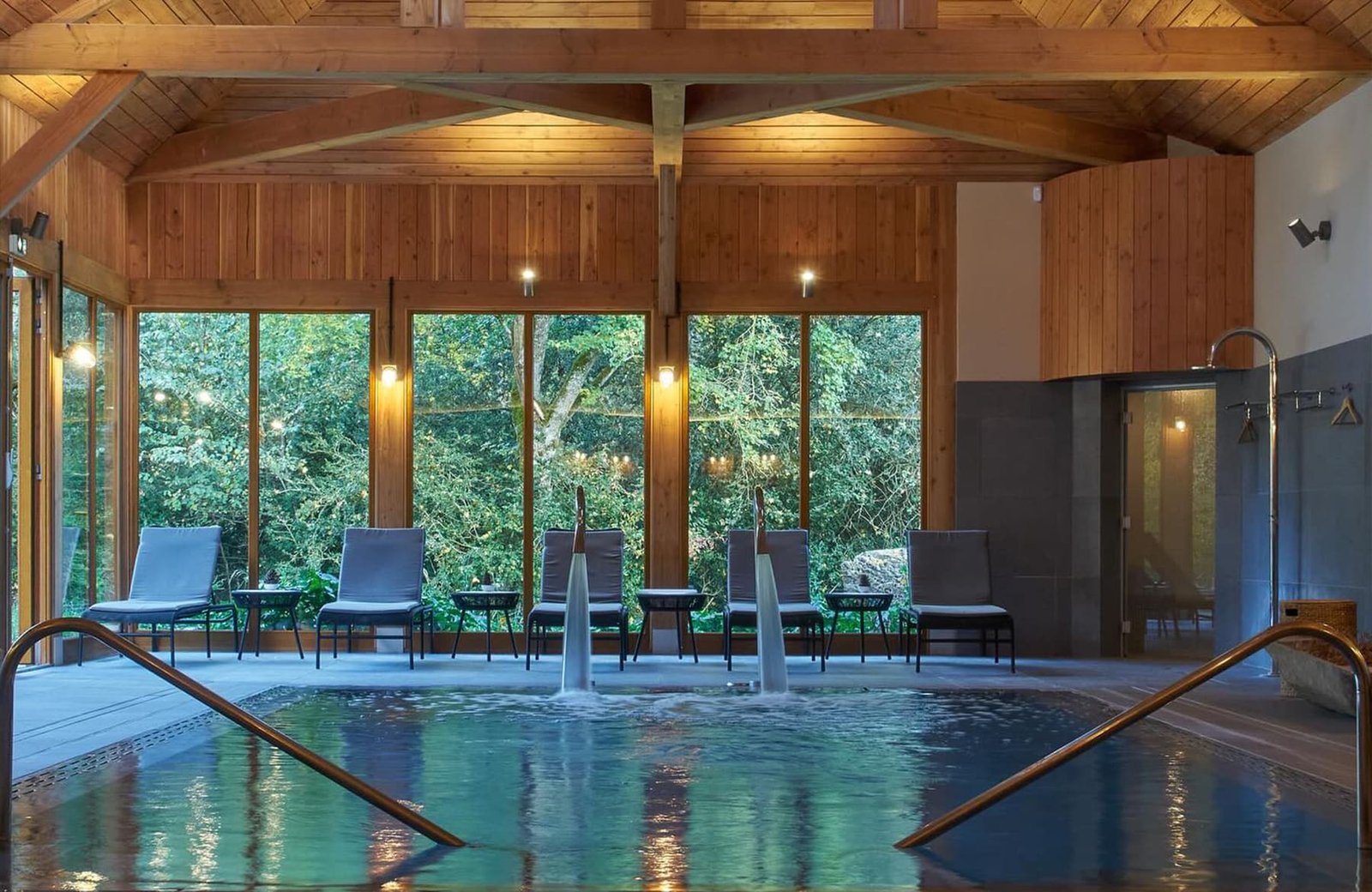
After lunch you continue south into the Loire Valley and check in at Les Sources de Cheverny, an estate between Chambord and Chenonceau where period architecture and contemporary design sit together, with a Caudalie spa, a pool and bicycles for the estate.
Three châteaux in a morning, and each one a different argument. Chambord is the largest and most extravagant, a Renaissance statement by François I, with a double-helix staircase attributed to Leonardo spiralling up through its centre.
Chenonceau — the Ladies’ Château — spans the Cher River on arches, and its history belongs to the women who ran it: Diane de Poitiers and Catherine de’ Medici. Cheverny has been lived in by the same family for six centuries, is the most completely furnished château in the valley, and is the castle Hergé drew for Tintin.
The afternoon continues to Lyon at the confluence of the Rhône and the Saône. The evening explores Vieux Lyon, one of the largest Renaissance districts in Europe, with its cobbled lanes and its traboules — covered passages cut straight through the buildings.
A TGV south, about three hours, past the vineyards of the Rhône and the lavender of Provence to the Mediterranean.
Your transfer takes you to the Negresco on the Promenade des Anglais, a Riviera landmark since 1913, where each of the rooms and suites tells the story of a different era of French art.
The afternoon explores Nice: the Promenade itself, named for the English aristocrats who made the town fashionable in the 19th century; Vieux Nice and its narrow coloured streets; the Cours Saleya flower and produce market; the Place Masséna; and Castle Hill for the view across the Baie des Anges.
East along the Riviera to Monaco, the second-smallest country in the world and one of the most concentrated displays of wealth anywhere.
Le Rocher, the old town on its headland, holds the Prince’s Palace and its ceremonial apartments, and the cathedral where Princess Grace and Prince Rainier are buried. The Oceanographic Museum is built into the cliff face. The Monte Carlo Casino, Belle Époque and unapologetic, is the building that made the name.
The afternoon takes the coastal road back by way of Èze, a medieval village on a rock 427 metres above the sea — perfectly preserved, and with one of the great views on the coast.
West this time, to Cannes: La Croisette with its palms and its palace hotels, the Palais des Festivals and its red-carpet steps, the old port full of yachts, and Le Suquet, the old town on the hill above it all.
Then Antibes on its peninsula — a medieval old town, a Provençal market that runs daily, Port Vauban among the largest marinas in the Mediterranean, and a waterfront looking back to Nice with the Alps behind it.
Back to Nice in the evening.
A slower, more indulgent day. Saint-Paul-de-Vence is a medieval village on a rocky outcrop behind Nice and one of the most beautiful in France — a favourite of Chagall, Prévert and Matisse, and it is not hard to see why. The whole village reads as an open-air museum: cobbled lanes, stone houses, artisan workshops and galleries.
The Maeght Foundation, designed by Josep Lluís Sert, is one of the most important modern art museums in Europe, with Miró, Giacometti, Braque, Calder and Matisse.
Lunch is Provençal, ideally at La Colombe d’Or, the inn where artists once paid their bills with paintings that now hang on its walls. Back to Nice for a farewell dinner over the sea.
Breakfast at the hotel and, if the flight allows, a last walk along the Promenade des Anglais. Private transfer to Nice Côte d’Azur Airport.
We are here for that. Every Finders & Keepers Safaris itinerary is a starting point, not a fixed departure — the pace, the lodges, the length, the dates and the party travelling can all be reshaped around you. Tell us what you would change and a specialist will rebuild the journey and price it honestly, before you commit to anything.
Tailor This Journey →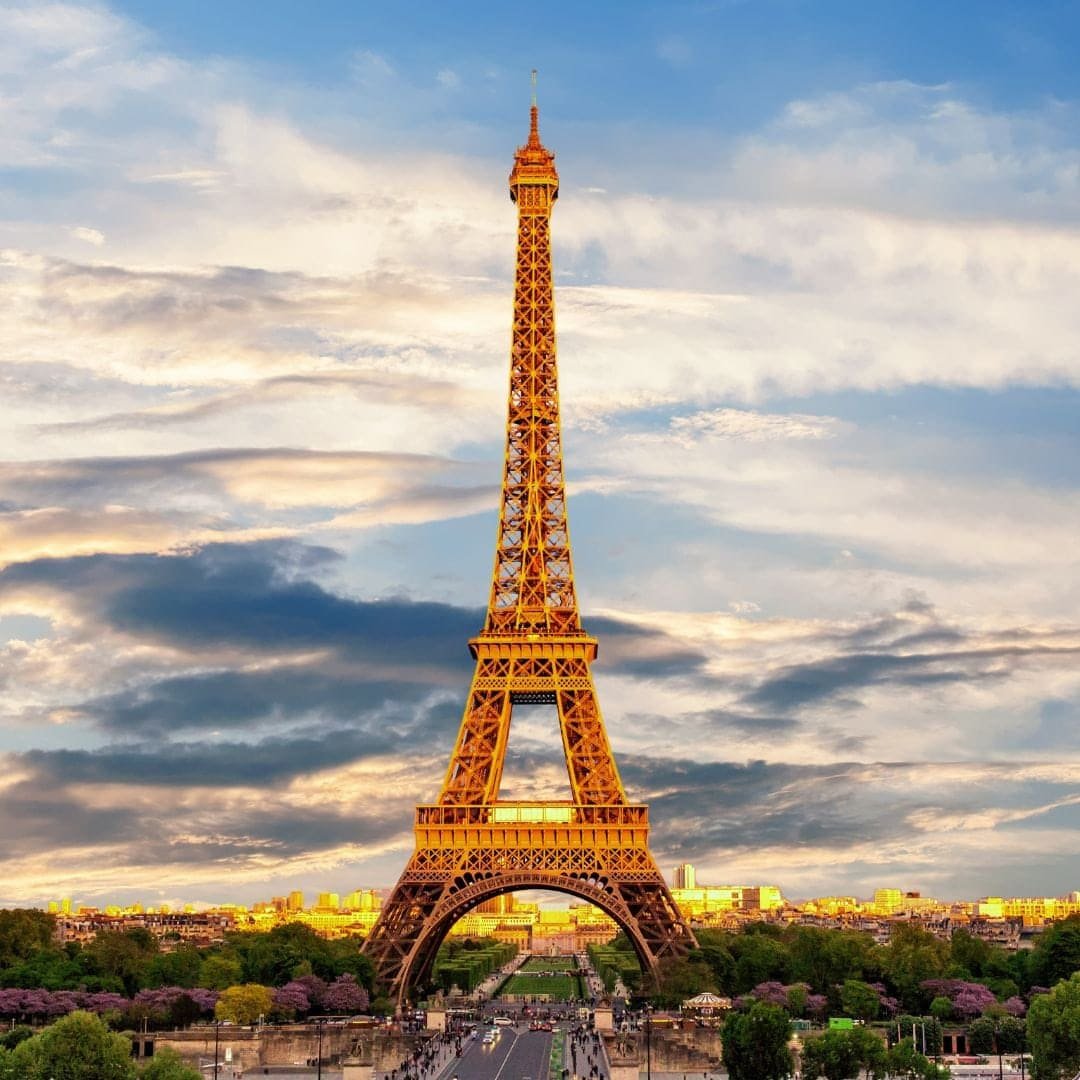
France end to end: a privately guided Louvre and Versailles, Loire châteaux, Lyon’s food and the Riviera from Nice to Saint-Paul-de-Vence.
The Louvre with its Mona Lisa, Venus de Milo and Winged Victory, Notre-Dame and the Île de la Cité, a Seine dinner cruise and a private food walk, from three nights at the Plaza Athénée.
The Hall of Mirrors, the King’s Grand Apartments and Le Nôtre’s gardens, then the Loire châteaux from Les Sources de Cheverny.
Lyon from the InterContinental Hôtel-Dieu, then Nice at the Negresco, Monaco, Èze, Cannes, Antibes and Saint-Paul-de-Vence.
Hold 2027 for half the usual deposit
Confirm any 2027 departure with a 15% deposit instead of the usual 30%, booked before 31 December 2026.
The same unforgettable journey, priced by season.
Reserve today with a low early deposit to lock in your 2027 dates and pricing.
Spread the rest across convenient instalments, at a pace that suits you.
Final balance due one month before departure — nothing more to pay once you fly.
Travel wallet, city guide and a good pair of walking shoes
Museums and monuments run on timed entry
Almost every major site on this journey is booked to a fixed time slot, and several require the names of all travellers at the point of booking. We handle every reservation and build the days around them, which is why the order of a morning occasionally matters more than it looks.
Schengen entry requirements apply
Private, tailor-made departures on your dates
A deposit of 30% is required to confirm your booking, with the balance due 60 days before departure. All itineraries can be tailored — extend a stay, add a destination, or adjust the pace to suit you. Comprehensive travel insurance covering trip cancellation, medical evacuation and personal effects is required for all guests. Your dedicated specialist remains on call throughout your journey for any changes or assistance you need.